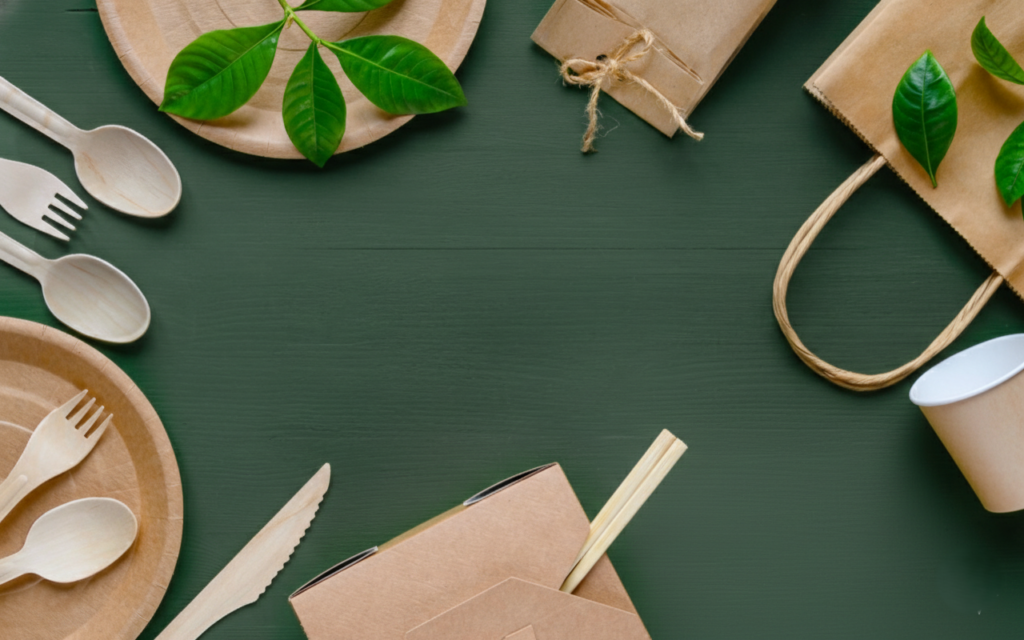
The global food packaging industry is experiencing a decisive transformation. Sustainability is no longer a niche preference it has become a central business priority. Rising environmental awareness, tightening regulations, and evolving consumer expectations are accelerating the demand for eco-friendly food packaging across every major market.
At Naturnyst.com, we view this shift not as a temporary wave but as a structural evolution in how businesses operate. The future of food packaging is being shaped by responsibility, innovation, and long-term environmental strategy.
A Market on a Strong Growth Trajectory
The eco-friendly food packaging sector is expanding at a remarkable pace. Global projections indicate steady multi-year growth, with sustainable packaging markets expected to nearly double in value over the coming decade. This consistent upward trend signals that sustainability is not a passing trend. it is becoming the industry standard.
Within this broader expansion, plant-based materials are gaining even stronger momentum. Sugarcane-based packaging and bagasse tableware are among the fastest-growing segments due to their renewable origin, compostability, and commercial practicality. Businesses across foodservice, hospitality, retail, and QSR sectors are increasingly investing in these materials as part of long-term sustainability roadmaps.
For brands that align early with this transformation, the opportunity extends beyond compliance. it becomes a competitive advantage.
Key Drivers Behind the Green Transition
The shift toward eco-friendly food packaging is fueled by interconnected forces. Consumers today are more informed and environmentally conscious than ever. Purchasing decisions are influenced not only by price and convenience but also by environmental impact.
Governments worldwide are implementing strict policies, including bans on single-use plastics and mandates encouraging compostable or recyclable alternatives. These regulatory actions are accelerating the transition toward sustainable materials and pushing businesses to rethink traditional packaging strategies.
Large corporations are also committing to net-zero targets and sustainable procurement policies. As supply chains adapt to meet these commitments, eco-friendly packaging becomes a default requirement rather than an optional upgrade.
The rapid growth of food delivery platforms and quick-service restaurants further intensifies demand. High-volume food operations require packaging solutions that balance durability, safety, and sustainability making materials like bagasse and plant-based bioplastics increasingly attractive.
Innovation Shaping the Next Phase
The market is not only growing — it is innovating. Compostable materials such as sugarcane bagasse and plant-based bioplastics are being refined to enhance strength, temperature resistance, and functionality. Emerging materials like seaweed-based films and molded agricultural fibers are expanding possibilities for single-use applications.
Reusable packaging models, deposit-return systems, and refill concepts are also gaining traction. This shift toward circular systems reflects a broader industry movement away from linear “use-and-dispose” consumption patterns.
For businesses, diversification in sustainable materials ensures adaptability. Different food applications require different performance attributes cold beverages demand clarity, hot meals require heat stability, and protective packaging needs structural strength. A flexible, multi-material approach supports both operational efficiency and regulatory readiness.
Regulatory Landscape as a Growth Catalyst
Government regulations are playing a powerful role in shaping market behavior. Rather than viewing these policies as obstacles, forward-thinking businesses recognize them as catalysts for innovation.
Plastic bans, extended producer responsibility laws, and packaging compliance frameworks are encouraging investment in renewable and compostable materials. Early adopters gain advantages through brand positioning, regulatory alignment, and customer trust.
In evolving markets, proactive sustainability adoption helps businesses future-proof their operations while strengthening credibility with environmentally conscious consumers.
The Infrastructure Challenge and Opportunity
While growth is strong, sustainable packaging effectiveness depends heavily on proper disposal systems. Compostable materials require suitable industrial composting conditions to fully break down. Without adequate infrastructure, the environmental benefits can be diminished.
This highlights the importance of certified compostable products and clear labeling. Businesses must ensure that sustainability claims are backed by recognized standards and supported by practical waste management guidance.
As infrastructure improves and awareness increases, the long-term viability of eco-friendly packaging will continue to strengthen. Economies of scale and technological advancements are expected to reduce costs over time, making sustainable options increasingly competitive with conventional materials.
Sustainability as an Economic Advantage
Modern consumers are not just seeking eco-friendly solutions they are looking for value-driven sustainability. Businesses that integrate responsible packaging into their operations often experience improved brand perception, stronger customer loyalty, and long-term cost efficiencies through waste reduction and regulatory compliance.
Sustainability is becoming both an environmental and economic decision. Companies that communicate their green initiatives effectively are building stronger emotional connections with customers.
Naturnyst’s Role in the Green Evolution
At Naturnyst, we recognize that eco-friendly packaging is shaping the future of foodservice globally. Our focus on plant-based, compostable solutions such as sugarcane bagasse aligns with the growing demand for materials that deliver both performance and environmental responsibility.
The global shift toward sustainable packaging is irreversible. Businesses that adapt strategically, invest in certified materials, and align with evolving regulations will not only reduce their ecological footprint but also strengthen their position in a rapidly changing market.
The future of food packaging is green and the transition is already underway.